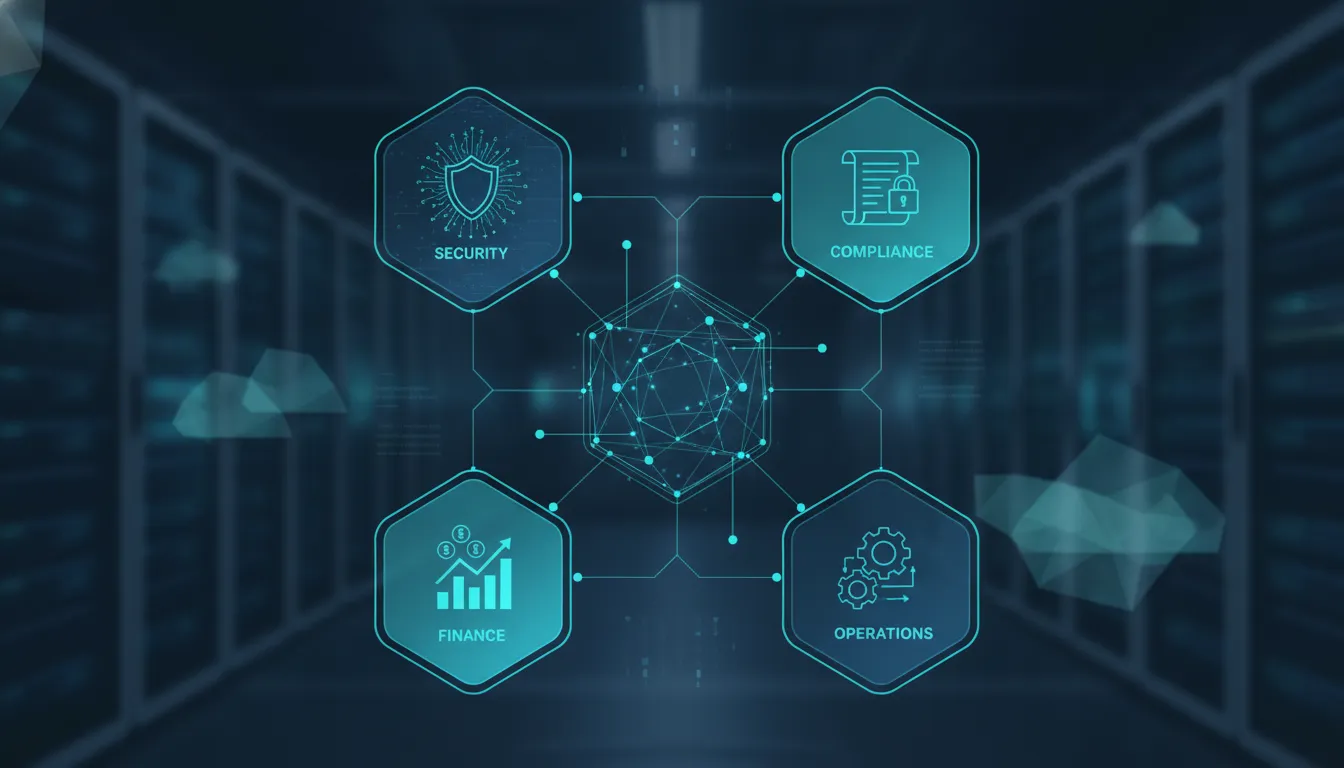

You’ve likely worked with managed service providers who promised the world but delivered a basic helpdesk. For organizations with complex systems and strict compliance needs, these one-size-fits-all solutions fall short. They lack the technical depth and strategic foresight to handle enterprise-level challenges, often creating more noise than value. It’s time for a different conversation, one centered on true partnership and architectural rigor. This is the foundation of managed technology resilience, an approach designed for mature organizations that require deep expertise in security, cloud, and infrastructure. Let’s explore what separates a genuine resilience partner from a typical MSP.
If you’ve ever wondered what it takes to be cyber resilient, you probably know cyber resilience is not just a luxury but a necessity for businesses of all sizes. Cyber threats are growing in complexity and frequency, making it imperative for organizations to adopt robust security measures. According to Forbes, 2023 saw a 72% increase in data breaches since 2021, which held the previous all-time record. This is where managed IT services, with a specialization in cybersecurity, come into play. Partnering with a managed services provider (MSP) that excels in IT support and cybersecurity can be a game-changer. Here are seven compelling reasons why you need managed IT for cyber resilience.
What is Technology Resilience (And Why It’s More Than Disaster Recovery)
Technology resilience is a term that gets thrown around a lot, but what does it actually mean for your business? At its core, it’s about designing your systems and processes to withstand disruptions and continue operating, even when things go wrong. It’s a proactive stance on operational stability that goes far beyond just recovering from a disaster. Think of it as building a technology ecosystem that can absorb a shock—whether it’s a cyberattack, a hardware failure, or a simple human error—and keep essential functions running. This approach requires a deep understanding of your entire technology stack, from the physical infrastructure in your data center to the cloud applications your teams rely on every day. It’s not a single product you can buy, but a strategic framework that ensures your business remains operational under pressure.
A truly resilient strategy is built on a foundation of robust infrastructure, smart software architecture, and well-defined processes. It means having the right tools and practices in place to maintain a baseline of service no matter the circumstances. This could involve redundant network connections, failover cloud environments, or advanced cybersecurity measures that detect and contain threats before they can cause widespread damage. The goal is to minimize both the likelihood and the impact of any disruption. By focusing on resilience, you shift from a reactive mindset of fixing problems to a proactive one of anticipating and mitigating them, which is fundamental for any organization that depends on technology to serve its customers and drive revenue.
Defining the Scope: A Holistic Approach Beyond Cyberattacks
When we talk about technology resilience, it’s easy to immediately think of cybersecurity threats like ransomware or data breaches. While defending against malicious actors is a massive piece of the puzzle, a truly resilient framework looks at a much broader spectrum of risks. As noted by experts at Protiviti, "Technology resilience is about having the practices, tools, and processes in place to keep your technology services working at a basic level, even when something goes wrong." This includes everything from natural disasters and power outages to critical hardware failures and software bugs. A comprehensive strategy accounts for any event that could disrupt your operations, ensuring you’re prepared for the unexpected, not just the malicious.
Resilience vs. Disaster Recovery: Proactive Prevention vs. Reactive Cure
It’s crucial to understand that technology resilience and disaster recovery (DR) are not the same thing. Disaster recovery is a component of resilience, but it’s fundamentally reactive. A DR plan outlines the steps to take *after* a catastrophic failure to restore systems and data. Resilience, on the other hand, is about proactive design and prevention. As one analysis puts it, "Recovery focuses on getting systems back up quickly after a problem. Technology resilience focuses on preventing major disruptions and keeping things running during a problem, often through smart system design." In other words, resilience aims to prevent the disaster from happening in the first place or, failing that, to ensure the business can continue functioning through the disruption with minimal impact.
Modern Business Drivers for Technology Resilience
In today’s interconnected world, technology resilience is no longer just an IT concern; it’s a core business imperative. The drivers for building a resilient organization extend far beyond the data center, directly impacting the bottom line, customer trust, and competitive positioning. Companies that invest in resilience are better equipped to handle market volatility and unforeseen challenges, turning potential crises into opportunities to demonstrate reliability. This strategic focus is what separates market leaders from the rest, as operational stability has become a key factor in long-term business success and sustainable growth.
The Financial Impact of Downtime
Every minute of downtime has a price tag, and it’s often much higher than leaders assume. The costs aren't limited to the IT hours spent on remediation. As industry guides point out, "The financial impact of an outage goes beyond just fixing the technology; it includes lost sales, unhappy customers, idle employees, and emergency response costs." For manufacturing firms, downtime halts production lines. For financial services, it can mean millions in lost transactions and regulatory fines. Beyond these direct costs, reputational damage can have a lasting impact, eroding customer trust that took years to build. A resilient infrastructure minimizes these financial risks by ensuring systems remain available, protecting revenue streams and brand integrity.
Gaining a Competitive Edge and Fostering Innovation
Beyond mitigating risk, technology resilience can become a powerful competitive advantage. In an environment where customers expect 24/7 availability, reliability is a key differentiator. As Protiviti highlights, "Companies with reliable systems are more trusted and preferred by customers and partners." When a competitor experiences an outage, a resilient company not only maintains its own operations but can also capture displaced customers. Furthermore, resilience frees up your internal IT team. When they aren't constantly putting out fires and managing disruptions, they can focus their energy on strategic initiatives that drive innovation and move the business forward, turning the IT department from a cost center into a value creator.
The Core Components of a Resilient Strategy
Building a resilient technology ecosystem isn't about a single solution but rather a multi-layered strategy that combines robust technical foundations, a prepared team, and continuous improvement. It starts with designing your infrastructure for high availability and fault tolerance, ensuring that no single point of failure can bring down your entire operation. This technical backbone must be supported by a well-trained team that understands their roles during a crisis and can execute response plans effectively. Finally, resilience is not a one-time project; it’s an ongoing process of testing, monitoring, and refining your approach to keep pace with evolving threats and changing business needs. Together, these components create a powerful framework for maintaining operational continuity under any circumstances.
Technical Foundations for Continuous Operation
The bedrock of any resilient strategy is its technical architecture. This is where you design and implement systems that are inherently capable of withstanding disruptions. It involves a deliberate approach to infrastructure, applications, and data, ensuring that redundancy and security are built in from the start, not bolted on as an afterthought. From redundant hardware to secure data backups, these technical elements work together to create an environment where critical services can remain online even when individual components fail. A strong technical foundation is what makes the difference between a minor hiccup and a full-blown operational crisis.
Hardware and Network Redundancy
A core principle of resilience is eliminating single points of failure. This means building redundancy into every layer of your hardware and network infrastructure. As one IT resilience guide advises, you need to "have backups, copies of data, and extra connections so one failure doesn't shut everything down." In practice, this translates to having failover internet circuits from different providers, redundant power supplies in servers, and geographically dispersed data centers. Leveraging cloud solutions can simplify this process, providing access to enterprise-grade redundant infrastructure that ensures your systems remain accessible even if your primary site goes offline. This approach ensures that a localized issue doesn't cascade into a system-wide outage.
Software, Applications, and Data Protection
While hardware provides the foundation, your software, applications, and data are what power your business. Protecting these assets is critical for resilience. This starts with robust data protection practices. As one expert explains, this involves "protecting important data by backing it up, making copies, and having plans to get it back after a disaster." A comprehensive backup and recovery strategy, including immutable backups that are safe from ransomware, is non-negotiable. Beyond backups, application architecture plays a key role. Modern approaches like microservices can isolate failures, preventing a bug in one component from crashing an entire application. This is all part of a holistic cybersecurity posture that ensures both the availability and integrity of your critical business systems.
The Human Element: Building a Culture of Preparedness
Technology alone cannot make an organization resilient. Your people are your first line of defense and your most critical asset during a crisis. A culture of preparedness ensures that your team knows exactly what to do when a disruption occurs, transforming a chaotic event into a structured and efficient response. This involves more than just writing a plan; it requires ongoing training, clear communication channels, and empowering employees to act decisively. When your team is prepared, they can execute response protocols with confidence, significantly reducing recovery time and minimizing the business impact of an incident.
Training and Empowering Your Internal IT Team
Even the most sophisticated resilience technology is ineffective if your team doesn't know how to manage it during a high-stress event. As Flexential notes, "Training employees and having clear roles in a disaster recovery plan are just as important as the technology itself." Regular drills and tabletop exercises are essential for building muscle memory and identifying gaps in your response plan before a real crisis hits. It’s also critical to define clear roles and responsibilities, so everyone knows who is accountable for what. For organizations with lean IT teams, partnering with a provider of managed IT services can provide the necessary reinforcement, offering specialized expertise and augmenting your staff to ensure a swift and effective response.
The Importance of Continuous Testing and Monitoring
Technology resilience is a moving target. New threats emerge, business priorities shift, and your technology environment constantly evolves. Because of this, a "set it and forget it" approach is destined to fail. Building a truly resilient organization requires a commitment to continuous improvement through rigorous testing and proactive monitoring. This ongoing process ensures that your resilience strategy remains effective and aligned with your business objectives. It allows you to identify vulnerabilities before they can be exploited and adapt your defenses to stay ahead of potential disruptions, turning resilience into a sustainable, long-term advantage.
Aligning Technology Resilience with Business Continuity Goals
Ultimately, your technology resilience strategy must serve the broader goals of your business continuity plan (BCP). The two are deeply intertwined. As Infinitive states, "Strong tech resilience makes business continuity plans work much better by reducing downtime and speeding up recovery." Regular testing, from failover drills to penetration tests, validates that your technical controls are working as expected and can meet your recovery time objectives (RTOs). Continuous monitoring, often through a Security Operations Center (SOC) providing services like Managed Detection and Response (MDR), gives you the visibility needed to detect threats early. This alignment ensures that your IT investments directly support the organization's ability to operate through any crisis.
1. Get Ahead of Cyber Threats
Cyber threats don’t adhere to business hours. They can strike at any time, often when you least expect it. Managed IT services provide 24/7 monitoring to detect and respond to threats in real-time. This proactive approach ensures that potential vulnerabilities are identified and addressed before they can be exploited. With a dedicated team of experts constantly watching over your network, you can rest assured that your business is safeguarded against a myriad of cyber threats.

2. Get a Team of Cyber Resilience Experts
Cybersecurity is a complex field that requires specialized knowledge and cutting-edge tools. By partnering with a managed IT services provider, you gain access to a team of seasoned professionals who are well-versed in the latest cybersecurity trends and technologies. These experts use advanced tools for threat detection, risk assessment, and incident response. This level of expertise and access to sophisticated technology is often beyond the reach of in-house IT teams, especially for small and medium-sized businesses.
3. Get Enterprise-Grade Security on a Budget
Building an in-house cybersecurity team can be cost-prohibitive, especially for small and medium sized businesses. It involves not only hiring skilled professionals but also investing in training, tools, and technologies. Managed IT services offer a cost-effective alternative. For a predictable monthly fee, you can leverage the expertise and resources of a specialized team without the overhead costs associated with maintaining an in-house department – move IT operations from CAPEX to OPEX. This allows businesses of all sizes to benefit from top-tier cybersecurity without breaking the bank.
4. Simplify Compliance and Reduce Risk
Compliance with industry standards and regulations is crucial for avoiding hefty fines and legal repercussions. Managed IT services help ensure that your business adheres to all relevant compliance requirements, such as GDPR, HIPAA, or PCI-DSS. They conduct regular audits, maintain detailed records, and implement necessary controls to keep your organization compliant. Moreover, they help manage risks by conducting thorough risk assessments and developing robust mitigation strategies.
5. Bounce Back Faster from Security Incidents
In the event of a cyber-attack, every second counts. The longer it takes to respond to an incident, the greater the potential damage. Managed IT services provide a rapid response to security incidents, minimizing downtime and data loss. Their incident response teams are trained to handle a wide range of cyber threats, from malware infections to sophisticated hacking attempts. They quickly isolate affected systems, eradicate threats, and restore normal operations, ensuring minimal disruption to your business.
6. Find Security That Grows with Your Business
As your business grows, so do your IT needs. Managed IT services offer scalable solutions that can be tailored to meet your evolving requirements. Whether you’re expanding your operations, launching new services, or entering new markets, your IT infrastructure needs to keep pace. Managed services providers can quickly adjust their offerings to accommodate your growth, ensuring that your cybersecurity measures are always up to date and effective. This scalability and flexibility are crucial for maintaining cyber resilience in a dynamic business environment.
7. Get Back to What You Do Best
Managing IT infrastructure and cybersecurity can be time-consuming and distracting, diverting attention from your core business activities. By outsourcing these responsibilities to a managed IT services provider, you can focus on what you do best—growing your business. Let the experts, like BCS365 handle the complexities of cybersecurity while you concentrate on strategic initiatives and customer satisfaction. This division of labor enhances overall productivity and ensures that your business remains competitive in the market.

Is Managed Technology Resilience the Right Move?
In an era where cyber threats are a constant concern, achieving cyber resilience is more critical than ever. Managed IT services provide the expertise, tools, and proactive measures necessary to protect your business from a wide range of cyber threats. From 24/7 monitoring and incident response to compliance management and cost-effective solutions, the benefits of partnering with a managed services provider are manifold.
By investing in managed IT support and cybersecurity, you not only safeguard your business but also gain a competitive edge. Cyber resilience is not just about preventing attacks; it’s about ensuring that your business can withstand and quickly recover from them. With the right managed IT services provider by your side, you can navigate the complexities of cybersecurity with confidence and peace of mind.
If you’re ready to enhance your cyber resilience and protect your business from evolving threats, consider partnering with a managed IT services provider like BCS365. Their expertise and comprehensive approach to cybersecurity will help you stay ahead of potential risks and ensure the long-term success of your organization. Don’t wait until it’s too late—take proactive steps today to secure your business’s future.
Managed IT services play a pivotal role in fortifying your business against cyber threats. The combination of expertise, advanced tools, cost-effectiveness, and scalability makes them an indispensable ally in your quest for cyber resilience. Embrace the power of managed IT support and cybersecurity to protect your business and thrive in the digital age.
Frequently Asked Questions
My company already has a disaster recovery plan. Isn't that enough? Think of it this way: a disaster recovery plan is your instruction manual for what to do after the house has already burned down. Technology resilience, on the other hand, is about building the house with fire-resistant materials and installing a sprinkler system. It's a proactive strategy focused on designing your systems to withstand disruptions and keep running, which minimizes the chance you'll ever need to activate that full-scale recovery plan.
We have a skilled internal IT team. How does a managed services partner fit in without creating redundancy? A great managed services partner acts as a force multiplier for your internal team, not a replacement. Your team holds deep knowledge of your business's unique needs and strategic goals. A partner brings specialized, 24/7 security monitoring and handles the constant, resource-draining work of threat detection and response. This frees your experts to focus on innovation and high-value projects instead of spending their days putting out fires.
What's the first practical step my organization can take toward building technology resilience? The best place to start is with a comprehensive risk assessment. You can't effectively protect your systems if you don't have a clear and honest picture of where your vulnerabilities lie. This process involves identifying critical assets, pinpointing potential threats (from hardware failure to cyberattacks), and evaluating the business impact of a disruption. The results will give you a clear roadmap for prioritizing your resilience efforts.
How does technology resilience impact more than just the IT department? While the work happens in IT, the benefits are felt across the entire organization. Financially, it protects revenue by preventing costly downtime. Operationally, it ensures employees can remain productive and that production lines or services continue without interruption. For your brand, it builds customer trust and a reputation for reliability, which is a powerful competitive advantage.
You mention continuous testing. What does that actually look like in practice? Continuous testing is an active process of making sure your resilience strategy actually works. This isn't just a yearly check-in. It involves regularly scheduled activities like failover drills where you switch to backup systems to ensure they function correctly. It also includes penetration testing to find security gaps before attackers do, and tabletop exercises where your team walks through a simulated crisis to refine your response plan.
Key Takeaways
- Think beyond disaster recovery: True technology resilience is proactive, not reactive. It means designing your systems to withstand disruptions and maintain operations, rather than just planning how to recover after a failure.
- Connect resilience to business value: A resilient infrastructure is a competitive advantage. It protects revenue, builds customer trust, and allows your internal IT team to focus on strategic innovation instead of constant crisis management.
- Build resilience with a holistic approach: Technology alone is not enough. A strong strategy combines redundant technical foundations with a well-trained team and a commitment to continuous testing and monitoring.